TRT and testosterone optimization, done in the right order
Physician-led testosterone replacement therapy (TRT) in Victoria and Langford, BC
This is a health optimization program: the goal is how you feel and function, not just a number on a lab report. Low testosterone is often a symptom, not the disease. We find and fix what is draining it first, protect your fertility if you want children, and only then, if you still need it, start TRT as the lifelong therapy it is.
Tired, low drive, losing muscle, poor sleep, brain fog? Those can all come from low testosterone, but also from stress, sleep debt, diet and inactivity. Our physician-led program tests properly and climbs one step at a time.
Why we don't start with testosterone
Once you start TRT, your brain stops telling your testes to make testosterone and sperm. For most men that means treatment for life. So we earn that decision first.
Your pituitary gland releases LH and FSH, the signals that drive testosterone and sperm production. Testosterone given from outside switches those signals off. Stimulating your own system keeps them on.
That is why our order matters: correct the catabolic factors, build the lifestyle, add proven supplements, try stimulating your own production, and move to testosterone itself when that is clearly the better choice for you.
Your own system, or on enclomiphene or HCG
On testosterone therapy
Symptoms of low testosterone
Tick what applies to you. Low testosterone causes these, but so do stress, poor sleep, thyroid problems, low iron and depression. That is why we test before we treat.
Three example symptoms are ticked so you can see how it works. Nothing is stored.
The five steps
Each step is reviewed with repeat blood tests and how you feel. Many patients never need to go past step 4.
Remove the catabolic factors
Catabolic means breaking down. Chronic stress keeps cortisol high, and cortisol directly suppresses testosterone. Short or broken sleep can drop testosterone noticeably within a week. Crash diets, very low fat intake, excess alcohol and sitting all day push in the same direction.
- Sleep: 7 to 9 hours, and screening for sleep apnea if you snore
- Stress: identify and reduce the load, and measure cortisol where it fits
- Medicines: opioids, steroids and some others lower testosterone
- Medical causes: thyroid, prolactin, iron overload, diabetes
Lifestyle that raises testosterone
Losing excess body fat is one of the most reliable ways to raise testosterone, because fat tissue converts testosterone to estrogen. Resistance training, enough protein, healthy fats and limiting alcohol all help.
- Strength training 2 to 4 times a week
- Whole-food diet with adequate protein and fats
- Weight loss toward a healthy waist size
- Alcohol kept low
Supplements with evidence
Some supplements can modestly raise total or bioavailable testosterone, mainly in men who are stressed or deficient. They support the plan; they don't replace it. See the supplement table below for what the research shows.
Stimulate your own testosterone
If levels are still low and symptoms persist, we can switch your own production back up while keeping sperm production going. This is our first-line medical option for men who want to preserve fertility.
- Enclomiphene or clomiphene tablets block estrogen feedback at the brain, so LH and FSH rise and the testes make more testosterone
- HCG injections act like LH directly on the testes
- DHEA, an adrenal hormone precursor, may help some men, particularly older men with low DHEA levels
These are prescribed under medical supervision. In Canada, clomiphene and HCG are used off-label for men, enclomiphene is not Health Canada approved and is available only through compounding where permitted, and DHEA requires a prescription. Your physician will explain each option.
Testosterone replacement therapy
When your own system cannot keep up, or you prefer reliable levels and fertility is not a concern, TRT is an effective treatment. We offer every modality and choose with you based on your routine, preference and blood results.
TRT is monitored: testosterone level, red blood cell count (hematocrit), estradiol, PSA and lipids, at 3, 6 and 12 months and then yearly.
Compare TRT optionsIs TRT right for me? A 1-minute guide
Answer five questions to see where on the ladder you are likely to start. This is education, not a diagnosis; your consultation decides.
TRT and fertility: what every man should know first
Testosterone therapy is not a fertility treatment. It is, in effect, a male contraceptive: by shutting down LH and FSH it can lower sperm count sharply, sometimes to zero. Recovery after stopping is common but can take many months and is not guaranteed.
If you want children now or later, we start with lifestyle, supplements, DHEA and enclomiphene or clomiphene, and use HCG where needed. If you are already on TRT and want to conceive, we can plan a supervised transition.
Sperm banking before TRT is worth discussing if your plans are uncertain.
Stimulating your own testosterone vs TRT
Both raise testosterone. They do it in opposite ways, and that changes what happens to your fertility and how easily you can stop.
| Enclomiphene, clomiphene or HCG | Testosterone therapy (TRT) | |
|---|---|---|
| How it works | Turns your own signals up, so your testes make more | Replaces testosterone from outside; your own production switches off |
| Sperm production | Maintained, and sometimes improved | Suppressed, sometimes to zero |
| Testicle size | Maintained | Often smaller |
| Testosterone levels | Moderate rise; depends on how well your testes respond | Reliable and adjustable into the normal range |
| Stopping | Usually straightforward | Usually lifelong; stopping often leaves levels lower for months |
| Works when | The testes still work and the signal is low (secondary hypogonadism) | Works whatever the cause |
| Best for | Younger men, men who want children, men not ready for lifelong therapy | Men with completed families, or whose testes cannot respond |
Supplements that can support testosterone
Effects are modest and work best when there is a matching problem, such as high stress or a deficiency. Quality varies between brands, so we recommend specific products.
Our first choice is Testosterone Matrix, which combines fenugreek and ashwagandha with zinc, magnesium, vitamin B6 and vitamin D in one capsule. We use single-ingredient products only when there is a specific reason not to use it.
| Supplement | Best for | What the research shows | Amount studied | Evidence |
|---|---|---|---|---|
| AshwagandhaIn Testosterone Matrix, our first choiceSingle-ingredient option | High stress and cortisol | Randomized trials in stressed men show lower cortisol and modest rises in testosterone, with better sleep and recovery. | 300 to 600 mg root extract daily | Good |
| ZincIn Testosterone Matrix, our first choiceSingle-ingredient option | Men with low zinc | Restores testosterone in men who are deficient, common with heavy sweating or poor diet. Little effect if levels are already normal. | 15 to 30 mg daily, if deficient | Good if deficient |
| BoronSingle-ingredient option | Raising free testosterone | Small studies show more free testosterone and less SHBG and inflammation at around 6 to 10 mg a day. Larger trials are needed. | 6 to 10 mg daily Our product: 3 capsules (9 mg) daily | Promising |
| FenugreekIn Testosterone Matrix, our first choice | Libido and free testosterone | Several trials of standardized extracts show modest increases in free testosterone and improved libido; results vary between products. | 500 to 600 mg standardized extract daily | Moderate |
| TribulusSingle-ingredient option | Libido and sexual wellbeing | Can improve libido and sexual satisfaction, but most human studies show little change in testosterone levels themselves. | 750 to 1,500 mg daily Our product: 1 capsule (400 mg concentrated extract) daily | Mixed |
We also check vitamin D and magnesium, as correcting a deficiency can help. Ashwagandha is not advised in pregnancy, with thyroid or liver disease, or alongside some medicines. Always tell us what you take, and talk to us before starting a new supplement.
Get the brands we recommend
Our online supplement dispensary, run through Fullscript, stocks the professional-grade products we use, shipped to your door.
Shop our supplement dispensaryEvery TRT option, chosen to fit you
All forms deliver the same hormone. They differ in how often you dose, how steady the levels are and what suits your life.
| Modality | How often | Good to know |
|---|---|---|
| Injections (cypionate or enanthate) | Weekly or twice weekly | Smaller, more frequent doses keep levels steady and avoid peaks and troughs. Can be self-injected. |
| Long-acting injection: testosterone undecanoate (known internationally as Nebido or Aveed) | About every 10 to 14 weeks | Few injections a year after loading doses; given in clinic and observed afterwards. |
| Cream or gel | Daily | Steady levels, no needles. Cover the area: skin contact can transfer testosterone to partners and children. |
| Nasal gel (Natesto) | Usually three times daily | A pump into each nostril. Needle-free, with no risk of skin transfer. Can cause nasal irritation or a runny nose. |
| Oral capsules (testosterone undecanoate) | Usually twice daily with food | Used less often. Absorbed partly through the lymphatic system, which avoids some of the liver's first-pass breakdown, but levels still vary more than with other forms. Taken with a meal that contains some fat; blood pressure is monitored. |
| Pellets (men and women) | About every 4 to 6 months | Small pellets placed under the skin of the lower back, toward the side, in a quick in-clinic procedure. No daily routine. |
Show as a table
| Schedule | Highest level | Lowest level | Time outside the normal range |
|---|
Testosterone for women
Testosterone is an important hormone for women too, and levels fall with age and menopause. For postmenopausal women with low sexual desire that causes distress, international guidance supports testosterone therapy at doses that keep levels within the normal female range.
We offer low-dose creams and pellets for women, usually alongside a full menopause and hormone review. Women's treatment is carefully dosed and monitored to avoid side effects such as acne or unwanted hair growth.
There is no Health Canada approved testosterone product for women, so treatment is off-label and individually dosed. Your physician will explain the options.
The blood tests we use, and why
Testosterone is highest in the morning and drops after poor sleep, illness or heavy training, so we test between 7 and 10 am, on two separate days.
| Test | Why it matters |
|---|---|
| Total testosterone | The main measure. Levels below about 10 nmol/L (roughly 300 ng/dL) on two morning tests, with symptoms, support a diagnosis. |
| Free testosterone and SHBG | SHBG binds testosterone. With high SHBG, total testosterone can look normal while the free, active part is low. |
| LH and FSH | Show whether the problem starts in the brain (low or normal LH) or in the testes (high LH). This decides whether enclomiphene or HCG can work. |
| Estradiol | Testosterone converts to estradiol, especially in body fat. Too high or too low both cause symptoms. |
| Prolactin | High prolactin suppresses testosterone and can point to a pituitary problem. |
| Blood count (hematocrit) | Baseline before treatment, because testosterone raises red blood cells. |
| PSA | Prostate check for men over 40, or younger men with risk factors. |
| Thyroid, ferritin, HbA1c, lipids, vitamin D | Common hidden causes of fatigue and low testosterone, and your metabolic health. |
| Semen analysis | For men who want to protect or check fertility before and during treatment. |
Is TRT safe?
For men with confirmed low testosterone, properly monitored TRT has a good safety record. In 2023 the large TRAVERSE trial found no increase in heart attacks or strokes with testosterone gel in men at higher heart risk, though atrial fibrillation and blood clots in the lungs were slightly more common. Safety comes from choosing the right patients and monitoring well.
What we monitor
- Hematocrit: testosterone thickens the blood; we lower the dose or pause if it gets too high
- Estradiol: for breast tenderness or fluid retention
- PSA and prostate symptoms
- Blood pressure, lipids and sleep apnea symptoms
- Skin: acne and oily skin, usually mild
When TRT is not the right choice
- Planning a pregnancy soon
- Prostate or breast cancer, or a prostate finding not yet checked by a urologist
- A high red blood cell count
- Untreated severe sleep apnea
- Uncontrolled heart failure, or a heart attack or stroke in the last 6 months
TRT myths, and what is actually true
Medical TRT aims for the normal range under monitoring. Bodybuilding doses are many times higher.
TRT suppresses sperm production. Enclomiphene, clomiphene and HCG are the fertility-friendly options.
Your own production switches off on TRT. Stopping often means months of lower levels before recovery, and some men don't fully recover.
Studies haven't shown TRT causes prostate cancer in monitored men, but it isn't used with active prostate cancer, so we check PSA.
They help most when stress or a deficiency is the cause. They are a step on the ladder, not a substitute.
In younger men the cause is often sleep, stress, weight or medicines, which is why we start there.
Your first year with us
- Weeks 1 to 4
- Clinic intake assessmentYour intake questionnaires and blood tests, a chart review by our registered nurse, a session with our health coach, and then your physician appointment, where we go through everything and agree a plan. $850 + GST.
- End of intake
- Your plan and membershipTaking on your care is not guaranteed. If we agree a plan and believe we can help you reach your goals, your annual membership starts: $2,000 + GST, with a year of access to the Precision Health team.
- Every 1 to 4 months
- Follow-up visitsHow often depends on how complex your situation is. We repeat blood tests, review how you feel and your lifestyle progress, adjust doses, and move up the ladder only if needed.
- Month 12
- Annual reviewFull bloods, safety checks and next year's plan. If you have reached your goals, you can move to one visit a year at $850 + GST per clinic visit. If you want more frequent support, your membership continues at $2,000 + GST per year.
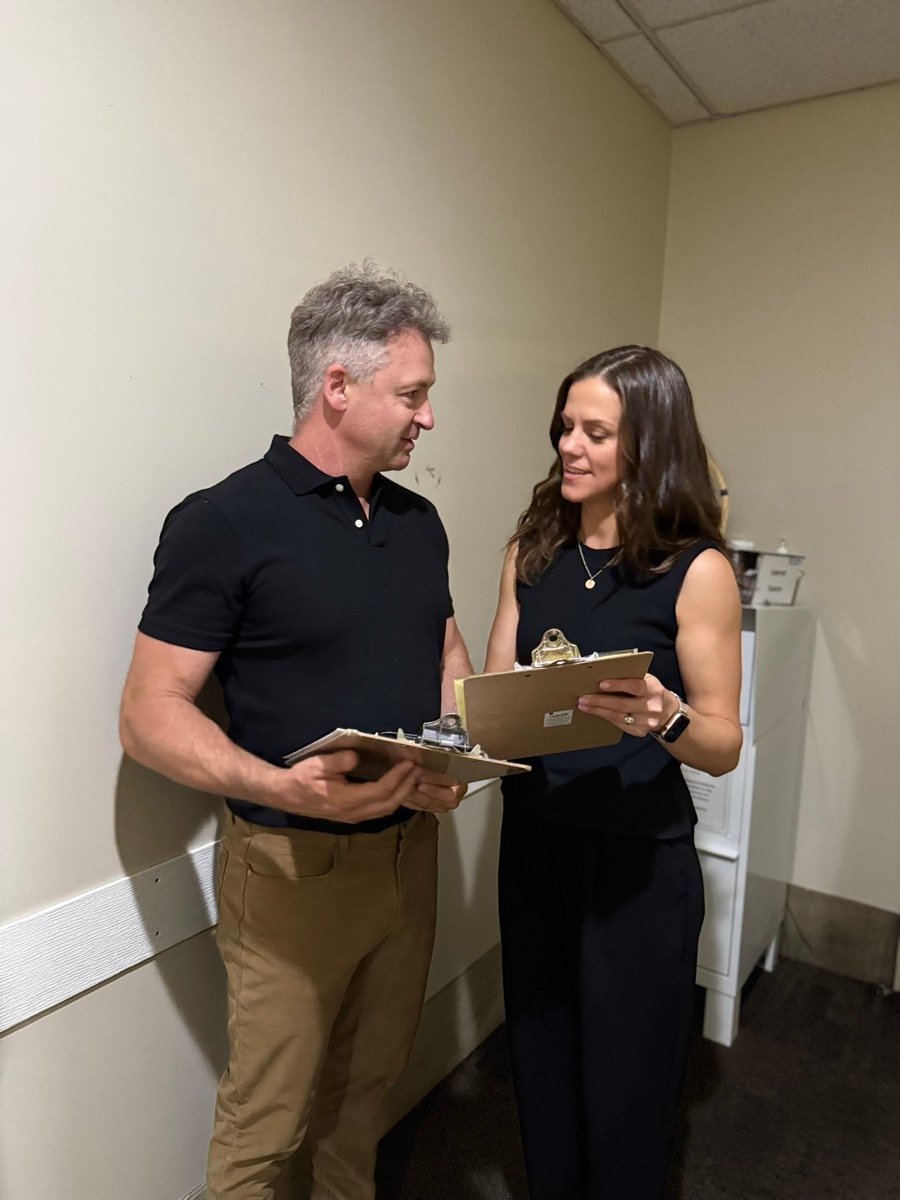
Your team
A small team who get to know you. Our clinic director and registered nurse, both health coaches, work with you from intake onward, and a physician reviews every patient and leads the plan.
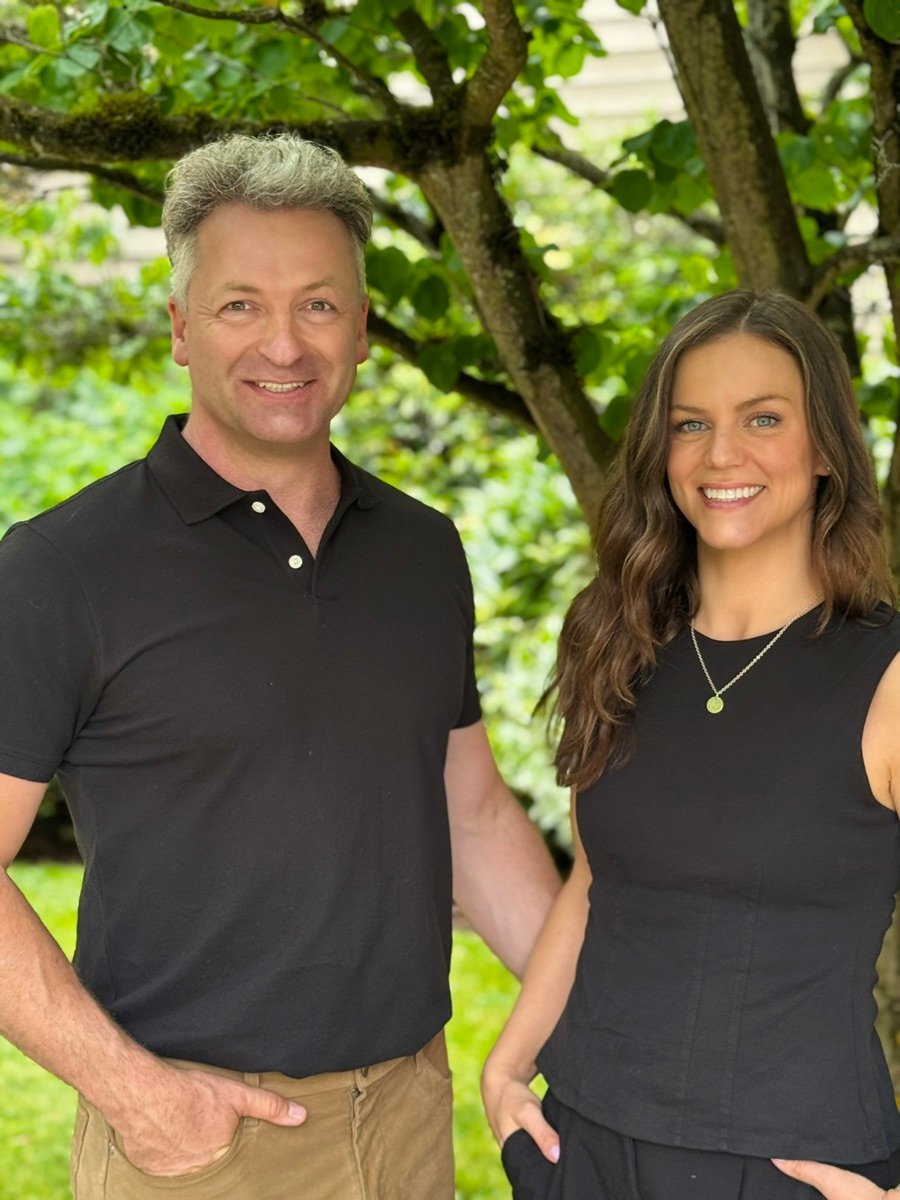
Frank Celentano
Clinic Director · Health coach
Oversees the clinic and coaches you on the lifestyle steps that come first: sleep, stress, nutrition and training.
Tania Kirby, RN
Registered nurse · Health coach
Reviews your intake and labs, and is your point of contact between visits. Brings years of experience in metabolism and diabetes care.
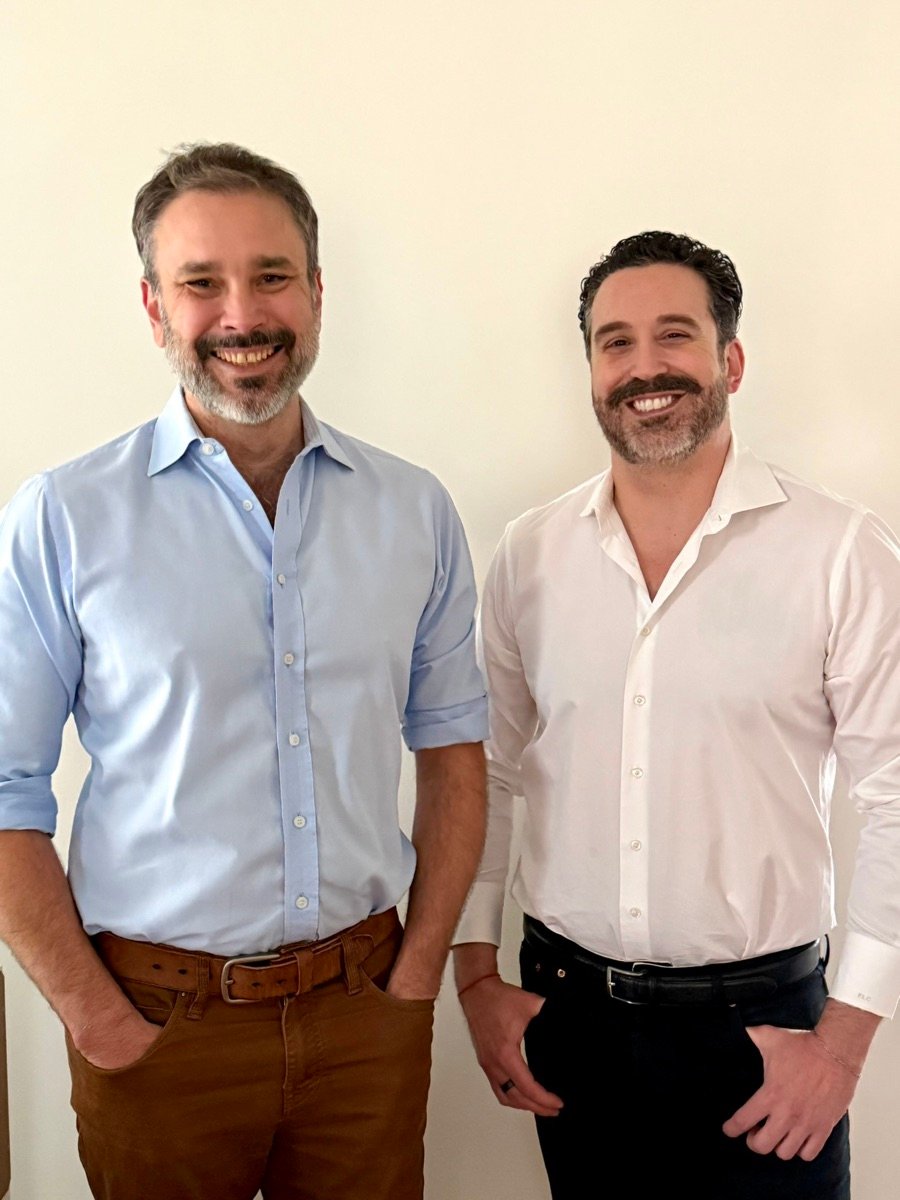
Dr. David Browning
MBChB, MD, CCFP · Co-founder
Dr. Gerrit Prinsloo
MD, CCFP, dPEC, dABAM, FASAM · Co-founder
How we look after you
Proper testing
Two early-morning tests, plus LH, FSH, SHBG, free testosterone, estradiol, prolactin, thyroid, a blood count and PSA where appropriate.
Physician-led plan
A doctor reviews your symptoms, history and goals, including fertility, before any treatment.
Ongoing monitoring
Follow-up bloods and reviews to keep levels in range and catch side effects early, such as raised hematocrit.
Honest advice
If TRT is not the right answer for you, we will tell you, and show you what to do instead.
TRT questions, answered
Is TRT a lifelong treatment?
Usually, yes. Testosterone from outside switches off your own production. Most men who stop return to low levels and their symptoms come back, and there can be a period of very low levels while the system restarts. That is why we treat starting TRT as a long-term decision.
What is the difference between testosterone optimization and TRT?
Optimization means raising your own testosterone by removing causes, improving lifestyle, using supplements and, where needed, medicines such as enclomiphene or HCG. TRT means replacing testosterone from outside. Optimization keeps your natural system and fertility working.
What are the symptoms of low testosterone?
Low libido, erectile problems, fatigue, low mood, poor concentration, reduced muscle and strength, increased body fat and fewer morning erections. Many of these have other causes too, which is why testing matters.
What are the risks of TRT?
The main ones are a rise in red blood cells (hematocrit), acne, fluid retention, breast tenderness, shrinking testes and reduced fertility. TRT is not used in men with untreated prostate or breast cancer, or in men planning a pregnancy soon. Regular monitoring keeps these risks low.
Can I go back to enclomiphene after TRT?
Often, yes. Men who wish to restore natural production or fertility can be transitioned with HCG and enclomiphene or clomiphene under supervision. Success depends on age, how long you have been on TRT and your starting levels.
How long until I feel a difference?
Libido and energy often improve within 3 to 6 weeks of reaching good levels. Mood follows over a few months, and changes in muscle, body fat and bone take 6 to 12 months or longer.
What is enclomiphene?
Enclomiphene is the active half of clomiphene. It blocks estrogen feedback at the brain so the pituitary releases more LH and FSH, raising your own testosterone while keeping sperm production. In Canada it is not Health Canada approved and is available only through compounding where permitted.
Which form of TRT is best?
None is best for everyone. Injections are flexible and affordable, gels and creams give steady daily levels, long-acting injections and pellets suit busy people who don't want a daily routine, and nasal gel or oral capsules avoid needles. We choose together based on your blood results and lifestyle.
Will TRT help me lose weight?
In men with low testosterone, treatment often reduces fat and increases muscle modestly, especially with training. It is not a weight-loss treatment on its own.
Do I need a referral?
No referral is needed to book an assessment. Bring any recent blood results you have.
Is TRT covered by MSP?
Our program fees (an $850 + GST intake assessment, a $2,000 + GST annual membership, and after the first year either $850 + GST per yearly visit or a continuing membership) are not covered by MSP. Lab tests and medication are not included. If you have MSP coverage in BC, some lab costs may be covered, and medication may be covered by your extended health plan. We will go through costs with you at your first visit.
TRT program pricing
Clear, upfront fees. Medication and lab tests are not included: medication depends on the treatment you and your physician choose.
Program fees are not covered by MSP. Lab test costs are not included in program fees; if you have MSP coverage in BC, some lab costs may be covered. Medication may be covered by your extended health plan.
A health optimization program, not a disease treatment service. Completing the intake assessment does not guarantee that we will take on your ongoing care. At the end of intake we will tell you honestly whether we believe we can help you reach your goals.
This service does not replace your primary care provider. Please keep your family doctor (GP) or nurse practitioner (NP) for your general health care; with your permission, we can share our findings with them.
Clinic intake assessment
$850 + GST
Takes 3 to 4 weeks: intake questionnaires, blood tests, chart review by our registered nurse, a health coach session and your physician appointment to agree your plan.
Annual clinic membership
$2,000 + GST per year
Starts once your plan is agreed and we believe we can help you reach your goals. A year of access to the Precision Health team, with follow-up visits every 1 to 4 months depending on your needs, monitoring and dose adjustments.
After your first year
Goals reached: one visit a year at $850 + GST per clinic visit.
Want more frequent support: membership continues at $2,000 + GST per year.
Start with an assessment, not a prescription
We will test properly, talk through fertility and long-term plans, and agree your starting step together.
Book a TRT assessment
Precision Health Optimization
2849 Peatt Rd #109, Langford, BC V9B 3V5
Phone (250) 419-7300
Email info@precisionhealthbc.ca
Monday to Friday, 10am to 4pm, or by appointment